
A bounce house can turn a regular backyard birthday into the part of the day kids talk about all week. It can also become the one thing parents worry about most if setup, supervision, and weather are treated like afterthoughts. That is exactly why a good bounce house safety guide matters – not to take the fun out of the party, but to make sure the fun lasts.
Why a bounce house safety guide matters
Most inflatable problems do not start with the bounce house itself. They start with rushed planning, overcrowding, mixed age groups, or adults assuming the kids will “figure it out.” Inflatable play works best when the rules are simple, the setup is solid, and someone is actually watching.
That is especially true for school events, church gatherings, neighborhood parties, and birthdays where excitement ramps up fast. One minute kids are waiting in line nicely, and five minutes later everyone wants in at once. A little structure keeps the energy high without letting things get chaotic.
Safety also affects the overall experience. When parents feel confident about the setup, they relax. When organizers know there is a plan for weather, shoe removal, and taking turns, the whole event feels easier. That peace of mind is part of the value, not an extra.
Start with the right inflatable for your event
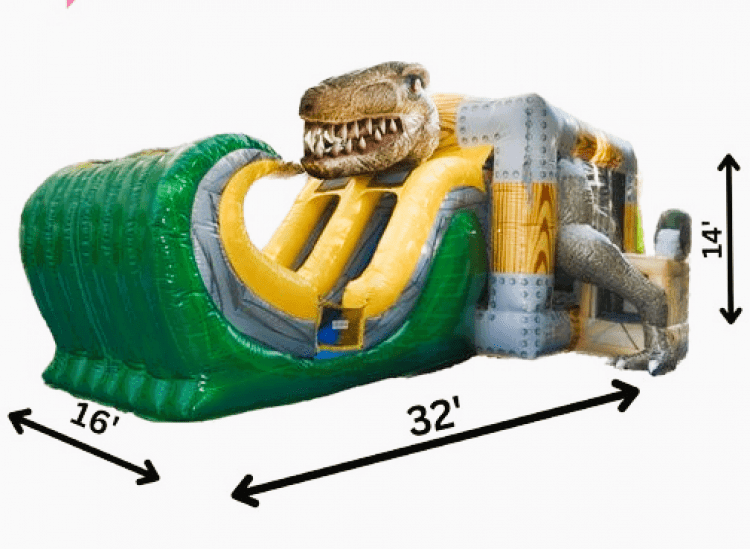
Not every bounce house is right for every group. This is one of the biggest safety decisions people miss. A unit that works great for a preschool birthday may not be the best fit for a school field day, and a taller inflatable slide may need more active supervision than a basic bounce house.
Age and size matter. If very small children are using the inflatable, they should not be bouncing with much older or larger kids at the same time. Bigger kids naturally bounce harder, move faster, and change the rhythm inside the unit. That can make younger children lose balance quickly.
Capacity matters too. Every inflatable has rider limits and weight guidelines for a reason. More kids inside does not equal more fun if nobody has room to move safely. Overloading increases collisions, rough landings, and trips near the entrance.
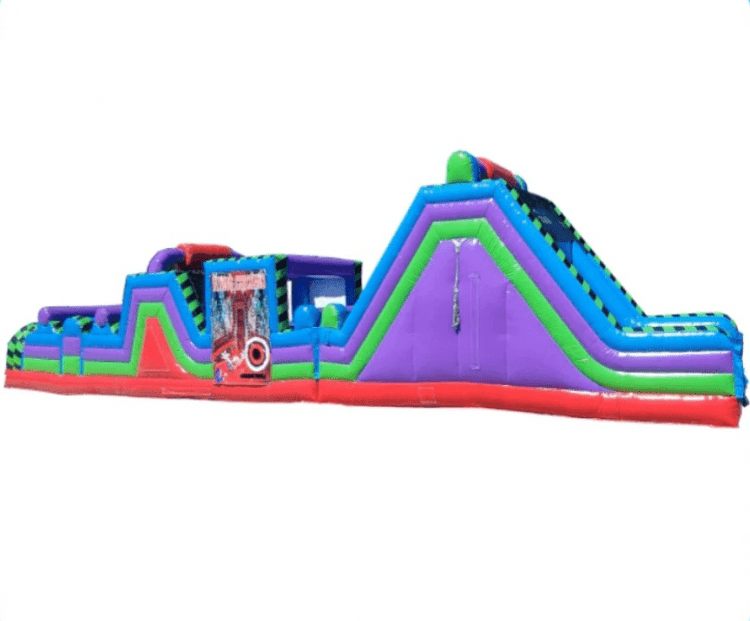
For larger events, it is often smarter to separate activities instead of forcing one unit to do everything. A combo unit, obstacle course, or multiple inflatables may create better flow and safer play than one crowded bounce house with a long line.
Safe setup is where the real work happens
A clean, exciting inflatable still needs the right surface and anchoring to be safe. This is not the glamorous part of party planning, but it is the part that protects everyone once the kids start jumping.
The setup area should be flat and clear of sharp objects, low tree branches, rocks, fencing, and anything overhead that creates a hazard. Space around the inflatable matters too. Kids need room to enter and exit without running straight into tables, coolers, or decorative stakes.
Anchoring is non-negotiable. Inflatable units must be properly secured based on the surface and conditions. That is one reason professional setup matters so much. Families planning events in Evansville know weather can shift quickly, and a bounce house should never be treated like something you can just drop in the yard and hope for the best.
Power is another overlooked detail. Blowers need steady power, cords should be placed to reduce trip hazards, and the blower area itself should stay clear. If the blower is blocked or unplugged, the inflatable can lose air fast, and that creates immediate risk for anyone inside.
Bounce house safety guide rules every party should use
Once the inflatable is up, the next step is setting expectations before kids pile in. The best rules are short, easy to repeat, and enforced every time.
Shoes should come off before entering. Sharp objects should stay out too, including jewelry, toys, pens, and anything in pockets that could scratch the material or hurt another child. Food, drinks, and gum do not belong inside a bounce house either.
Kids should be grouped by similar age and size whenever possible. Flips, wrestling, climbing on walls, and hanging on netting should be off-limits. Those are the moments that usually lead to falls, collisions, and tears.
It also helps to manage turns instead of letting everyone rush the entrance. A simple flow works well: a few kids bounce, a few wait, then switch. Children usually accept that structure quickly when an adult is calm and consistent.
Supervision is not the same as being nearby
A lot of people think supervision means being in the backyard while the inflatable is in use. In reality, safe supervision means an adult is actively watching the bounce house, not chatting across the patio, grilling burgers, or checking their phone every two minutes.
The supervising adult should be able to see the entrance clearly, watch for overcrowding, and step in right away if kids start playing too rough. That person does not need to hover nervously, but they do need to stay engaged.
For bigger events, one adult may not be enough. Schools, churches, and community gatherings often need a few adults rotating through supervision duties, especially if there are several inflatables or a wide age range. When everyone assumes someone else is watching, that is when small issues grow into bigger ones.
Good supervision also means knowing when to pause play. If children are too wound up to follow directions, if mixed ages are becoming a problem, or if the inflatable starts getting rushed at the entrance, it is okay to stop the action, reset the line, and start again.
Weather changes everything
If there is one part of any bounce house safety guide that deserves extra attention, it is weather. Wind, rain, and storms can change safe conditions quickly.
Inflatables should not be used in unsafe wind or storm conditions. Even light rain can make surfaces slick and change how kids land and move. Stronger winds raise much more serious concerns. This is where professional judgment matters, because the right call is sometimes disappointing in the moment but absolutely necessary.
Heat matters too. On hot Indiana days, kids may need shorter turns, more water breaks, and time in the shade. Inflatable surfaces can warm up, and kids often do not realize how tired they are getting until they are already melting down.
A good event plan leaves room for adjustments. That might mean changing play times, rotating groups faster, or shutting the inflatable down until conditions improve. Flexibility is part of safe planning, not a sign that anything went wrong.
Cleanliness supports safety too
People usually think about safety in terms of falls or weather, but cleanliness plays a role as well. A well-maintained inflatable is easier to inspect, more pleasant for guests, and less likely to hide damage or debris.
Parents notice when equipment looks and smells clean. They also notice when it does not. Sanitized units, clear setup practices, and careful handling tell families that the company takes the full experience seriously.
That is one reason local renters often look for providers who prioritize cleaning after every rental, not just appearance. At A Bounce Above Inflatable Rentals LLC, that focus on clean and sanitized equipment goes hand in hand with safety-first setup and a stress-free rental experience. Families should not have to choose between fun and peace of mind.
A few situations where extra caution makes sense
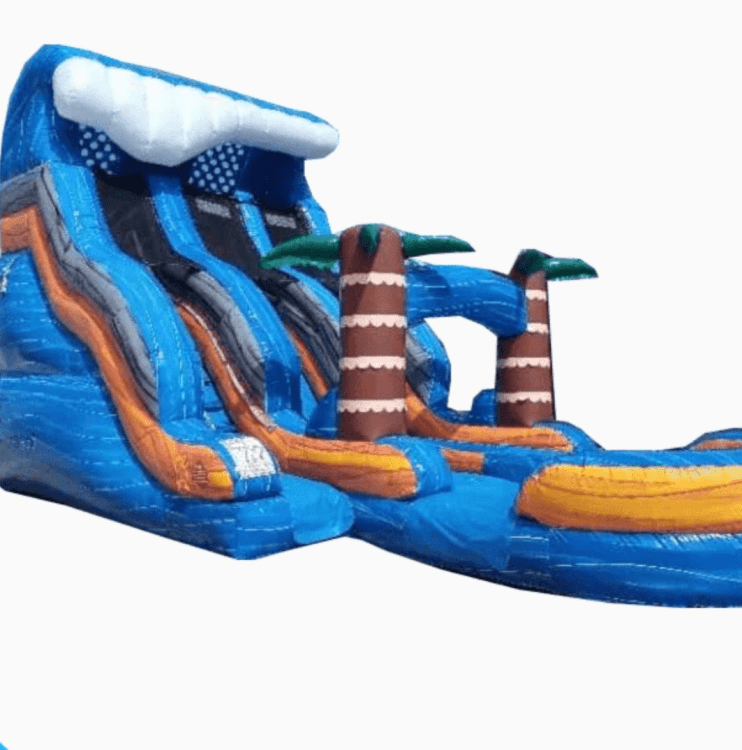
Some events need a little more planning than others. Toddlers and older children at the same party usually need separate bounce times. Public events may need clearer line management because kids arrive in waves. Water units introduce their own safety needs, especially around slipping and active supervision.
Children with sensory sensitivities or mobility challenges may also need quieter turns or a different activity setup. Safety is not one-size-fits-all. The right plan depends on the crowd, the space, the weather, and the type of inflatable being used.
That is why asking questions before booking is always smart. A dependable rental partner should be happy to talk through the guest age range, yard layout, event schedule, and any concerns you have before the big day.
The safest parties usually feel the easiest
When a bounce house is chosen carefully, set up correctly, and supervised well, it stops feeling like a risk to manage and starts feeling like the highlight it should be. Kids get to burn energy, laugh with friends, and make great memories. Parents get something even better – the chance to enjoy the party without second-guessing every minute.
The best safety plan is not complicated. It is just thoughtful. Pick the right inflatable, give it the right space, watch it closely, respect the weather, and keep the rules clear. That simple approach goes a long way toward making party day feel light, fun, and fully worth it.